Recommended Blog Posts
- Latest IRCC Backlog Insights 2025-26: Processing Time Trends and Predictions For Canada PR Applications
- PNP & Express Entry 2026: Common Refusal Reasons, New Financial Rules, Updated Language Requirements & PR Strategies for Skilled Workers
- IRCC Updates Immigration Policies for New Applicants: List of Changes for 2025-26
- Canada Immigration Levels Plan 2026–2028 for Skilled Workers & International Students
- Which Province Will Receive the Highest PNP Allocation in Canada’s New Immigration Plan 2026?
Canada Immigration Update 2026 | New Rules & Pathways | PGWP | OINP
Publish On: December 26, 2025
The Canada immigration update 2026 brings transformative changes to how skilled professionals, international students, and families can immigrate to Canada. This comprehensive guide covers everything you need to know about the latest immigration policies, work permits, and pathways to permanent residence.
The year 2026 marks a pivotal transition in Canadian immigration history. Canada has moved away from the "growth at all costs" model toward a highly regulated, sector-specific immigration framework. This Canada immigration update 2026 affects skilled professionals, international graduates, and families seeking pathways to permanent residence.
Key Changes in the 2026 Immigration Levels Plan
The 2026–2028 Immigration Levels Plan introduces:
- Sector-specific immigration streams for healthcare and STEM
- Enhanced language requirements across all programs
- Regional immigration priorities for rural communities
- Streamlined processing through the Integrated IRCC Portal
Canada Immigration Update For PGWP Applications
Immigration, Refugees and Citizenship Canada, has confirmed that the Post-Graduation Work Permit (PGWP) program continues in 2026, with the field-of-study eligibility list set for review again in early 2026. Importantly, degree graduates (Bachelor’s, Master’s, PhD) remain exempt.
New PGWP Eligibility Requirements
The Post-Graduation Work Permit (PGWP) eligibility has been redefined in this Canada immigration update 2026. International students must now meet stricter criteria:
Language Proficiency Requirements
- University graduates: CLB 7 (English or French)
- College graduates: CLB 5 minimum
Field of Study Restrictions
College programs must align with Canada's 2026 shortage occupation list:
- Healthcare
- STEM fields
- Skilled trades
- Agriculture
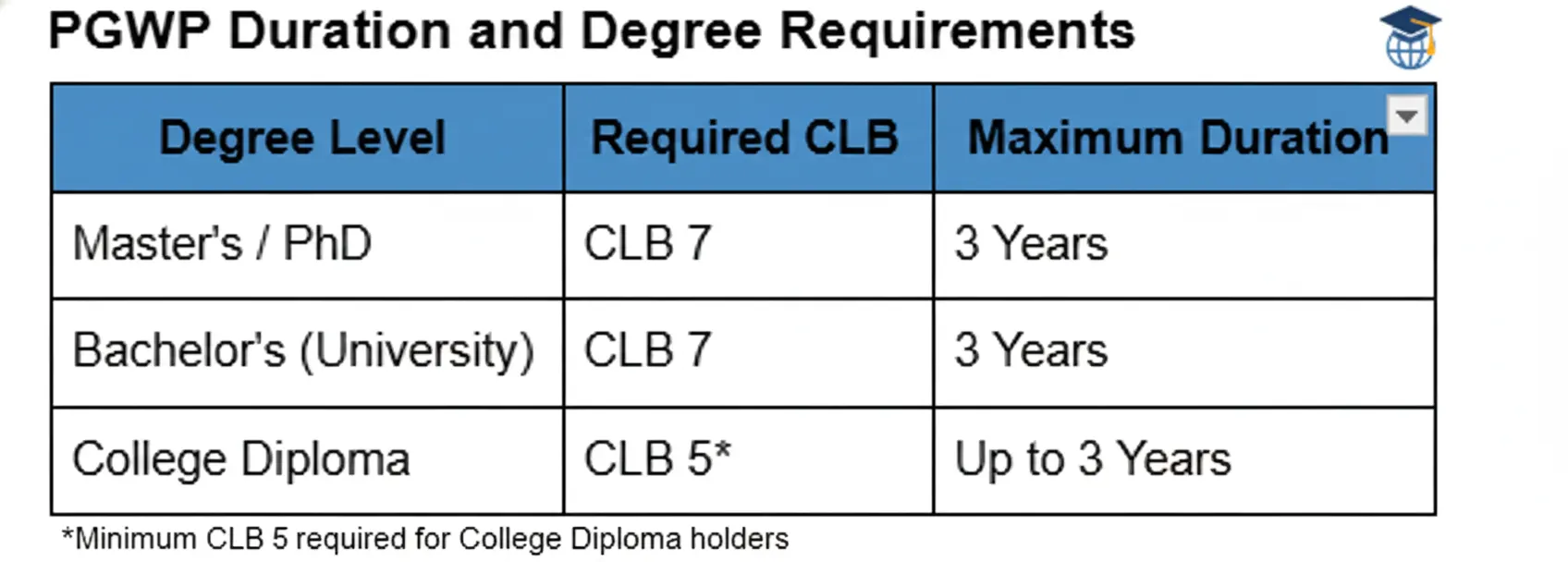
*Must be in an approved shortage field
OINP Nomination: Ontario's 2026 Strategy
The Ontario Immigrant Nominee Program (OINP) remains Canada's largest provincial pathway. This Canada immigration update 2026 brings strategic shifts to OINP processing.
OINP Priority Sectors for 2026
Healthcare Professionals: Following December 2025 measures, OINP now offers priority processing for doctors and nurses:
- Nomination decisions in 30–45 days
- Bypassed Expression of Interest (EOI) wait times
- Direct pathways for hospital job offers
Technology Workers: Continued strong demand for tech professionals in:
- Software development
- Data science
- Cybersecurity
- AI and machine learning
Regional Immigration Focus
Ontario is directing more nominations to smaller municipalities:
- Windsor
- Sudbury
- Thunder Bay
- Other communities outside the GTA
Pro Tip: If your Express Entry CRS score is between 460–490, an OINP nomination is your most viable path to permanent residence in 2026.
Rural Community Immigration Pilot (RCIP) - 2026 Expansion
A major component of the Canada immigration update 2026 is the permanent RCIP program, which replaces the older RNIP.
Why RCIP is Gaining Popularity
Lower CRS Requirements: Selection based on:
- Community fit assessment
- Valid job offer
- Settlement intention
Rather than solely age, education, and work experience.
RCIP Benefits in 2026
- Dedicated Quota: Specific allocation in the 2026–2028 Immigration Levels Plan
- Fast-Track Processing: Priority application processing by IRCC
- Regional Economic Growth: Support for smaller communities
- Accessible Pathways: Alternative to high-CRS Express Entry draws
Open Work Permit Renewal & Spousal Permits (2026 Rules)
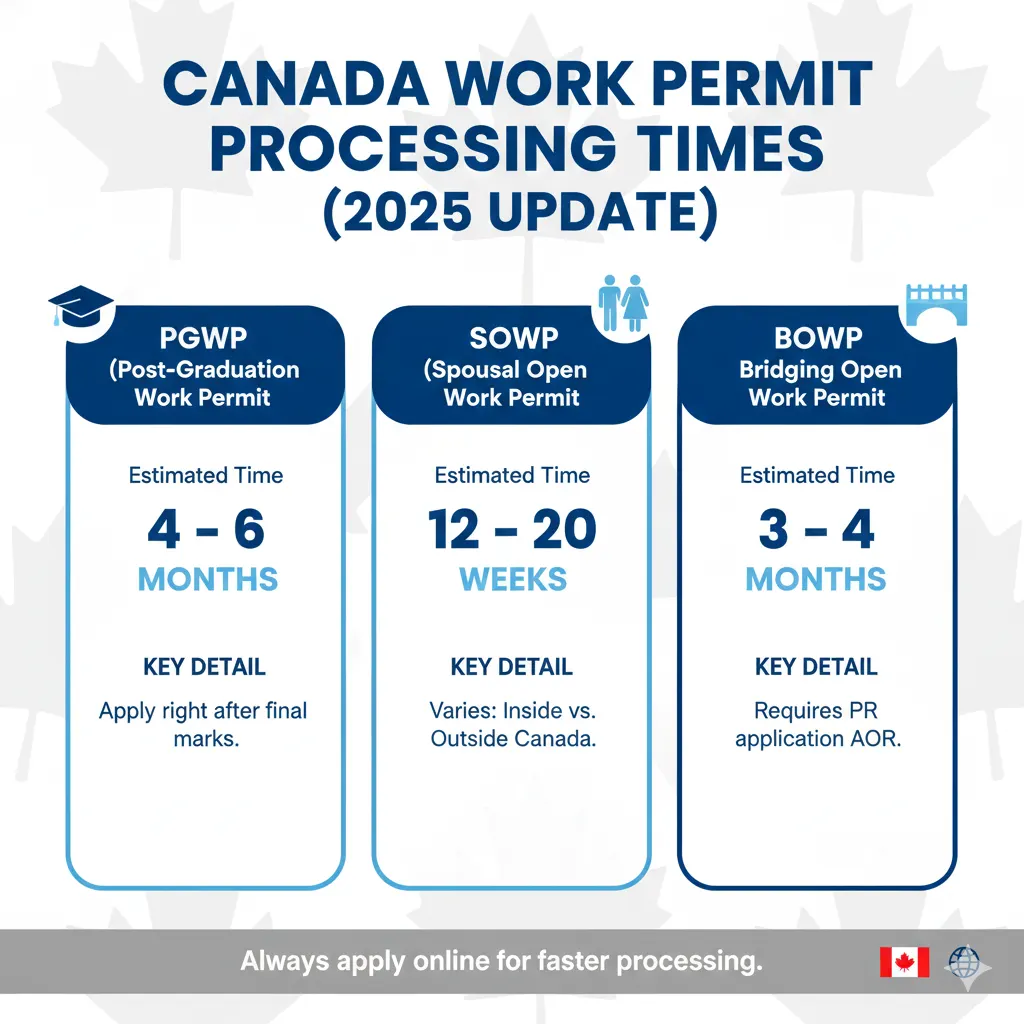
Spousal Open Work Permit (SOWP) Restrictions
The Canada immigration update 2026 significantly restricts SOWP eligibility. Spousal permits are now limited to spouses of:
- Students in Master's or Doctoral programs only
- Workers in TEER 0, 1, 2, or 3 occupations
- Healthcare and construction workers under special initiatives
Open Work Permit Renewal Process
The 2026 renewal process uses the new Integrated IRCC Portal:
Maintained Status: Apply before expiry to continue working legally (formerly called Implied Status)
Bridging Open Work Permit (BOWP): Available for applicants with:
- OINP nomination
- Express Entry Invitation to Apply (ITA)
- Pending PR application
Temporary Resident Visa (TRV) 2026
IRCC closely monitors the temporary-to-permanent resident ratio in this Canada immigration update 2026.
TRV Updates
- Processing time: 14–21 days (from within Canada)
- Multiple entry: Standard for work permit holders
- Travel flexibility: Essential for maintaining status
Super Visa Updates: Family Reunification in 2026
The Canada immigration update 2026 brings welcome changes to the Super Visa program.
New Super Visa Benefits
Extended Stay Duration:
- Up to 5 years per entry
- Option to extend for 2 additional years while in Canada
Insurance Flexibility:
- Monthly payment plans now accepted
- No longer requires full year payment upfront
- More affordable for Canadian residents
Faster Processing:
- Current processing time: Under 100 days
- Streamlined after 2025 modernization
2026 Fee Schedule & Processing Times
Updated IRCC Fees
| Application Type | IRCC Fee (CAD) | Average Processing Time |
|---|---|---|
| OINP Nomination (Provincial) | $1,500 | 2–3 Months |
| PGWP Work Permit | $255 | 60–90 Days |
| Spousal Open Work Permit | $255 | 3–5 Months |
| Super Visa | $100 | 80–110 Days |
| Visitor Record | $100 | 30–60 Days |
| Temporary Resident Visa | $100 | 14–30 Days |
Hong Kong Special Measures: 2026 Maturation
Stream B Updates
The Hong Kong pathway remains one of the fastest routes in this Canada immigration update 2026:
Simplified Requirements:
- Only 1 year of Canadian work experience required
- No 5-year graduation requirement
- Open work permit renewal available
Conclusion: Navigating Canada Immigration Update 2026
The Canada immigration update 2026 creates a selective but rewarding pathway. Success requires understanding your eligibility across multiple programs, maintaining legal status, and strategically positioning yourself in Canada's priority sectors.
Whether pursuing OINP nomination, renewing an open work permit, or bringing family through the Super Visa, precision and preparation are essential. The 2026 system rewards those who fill gaps in Canada's economy through healthcare, technology, skilled trades, and regional settlement.
Next Steps:
- Assess your eligibility under the new 2026 criteria
- Verify your language test validity
- Research OINP and RCIP options
- Consult with a licensed immigration consultant
- Prepare documentation 6 months in advance